10 Websites To Help You To Become A Proficient In Corgi Gas Engineer


Corgi Home Plan - Is a CORGI Gas Engineer a Safe Choice?
CORGI which translates to Council of Registered Gas Installers was no longer the official register for gas engineers in Great Britain and the Isle of Man and Northern Ireland and Guernsey on 1 April 2009. The Gas Safe Register, operated by Capita CORGI, has replaced CORGI.
Gas work that is unsafe can cause fires, explosions and carbon monoxide leaks. These can be deadly. Employing gas engineer corgis will ensure that your work is completed correctly and safely.
Safety
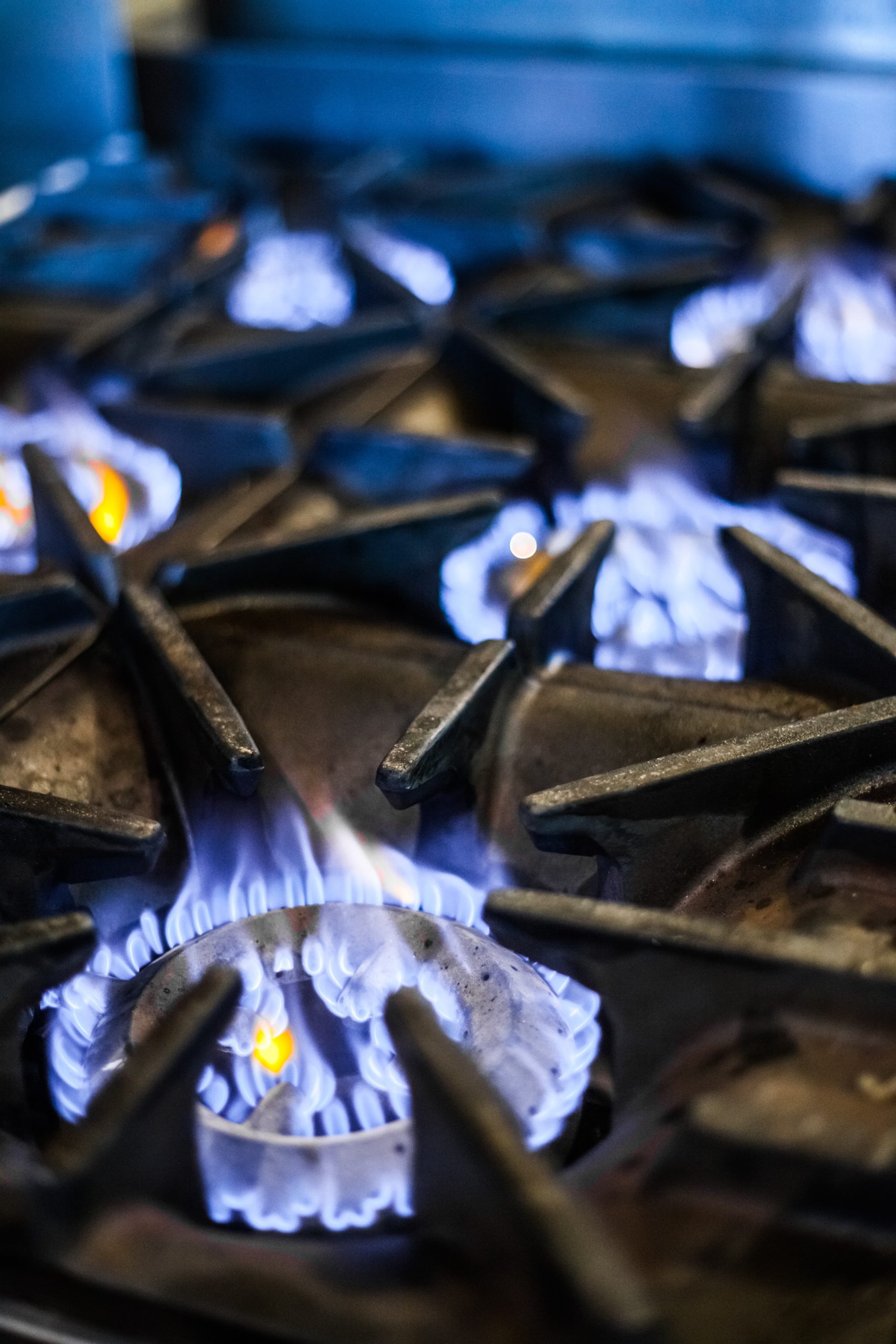
Despite the fact that CORGI (or The Council of Registered Gas Installers to give it its full name) was no longer the government's official gas engineer register in 2009, and that it is now legally required for engineers to be on the Gas Safe Register, many people believe that having a CORGI registered gas engineer implies that they are operating safely. This is why many engineers continue to boast about their CORGI registration status when advertising their services.
A CORGI licensed gas engineer must adhere to a variety of strict safety guidelines when working on gas appliances. These rules include the use of personal safety equipment, regular risk assessments and a system for checking that all gas appliances are working correctly. These precautions ensure that the public is safeguarded from harm resulting from gas leaks as well as poisonous carbon monoxide.
A CORGI gas technician must ensure that all work is done in a safe work environment. Carbon monoxide detectors and proper ventilation are two ways to achieve this. It is also crucial to ensure that any gas work is performed outside of the house, and not inside, to stop toxic fumes from entering.
Gas engineers who work in tight spaces may be at risk of getting injured. This type of work is typically carried out in tight or enclosed spaces like flues or drainpipes, which are difficult to reach and can be very hot. Gas engineers should wear appropriate clothing and be aware of not fall on objects or lose balance. They should also have a breathing and fall arrest device in case in the event of an accident.
Gas engineers often travel from one location to another during the day. This can create risks to health and safety. For instance, they should use the correct vehicle for traveling between locations and must check in with a coworker prior to leaving their vehicle to inform them of where they are going. They should also ensure they've got the PPE necessary, such as eye and hand protection and a plan to avoid working alone at other people's homes.
Reputation
A registered engineer who is gas safe is a great option when you need repairs to your heating system. But, it is essential to ensure that the person you hire has an excellent reputation and has experience. Many customers have reported that the engineers at Corgi Home Plan are professional and efficient. They also provide top-quality service, with prompt responses and follow-up calls. Certain reviews have raised minor issues. One such concern involves an incident in which the boiler's flue was not secured properly by an earlier maintenance visit, which resulted in the boiler being declared unfit for use.
CORGI, or the Council of Registered Gas Installers was dissolved as the official register of gas engineers in 2009 and was replaced by the Gas Safe Register. CORGI's TV ads have left an impression that even with the change, consumers still see it as a government-backed symbol of security and competence. Indeed, 27% of respondents to a recent survey said that the first documents they would ask an engineer for is proof of CORGI registration.
The survey, conducted ahead of Gas Safety Week (16-22 September) found that CORGI registration is a major aspect in the perceptions of consumers of gas engineers. It was even more influential than the recommendations of family and friends with a clear and tangible experience, positive online reviews and accreditations for manufacturers. The findings suggest that there is a significant confusion among consumers regarding the standards and bodies which regulate gas use in the UK. This is concerning, as anyone who works with a gas supply has to be registered on the Gas Safe Register. If they're not registered, they're operating illegally.
Experience
Anyone who works with gas must have an CORGI certification. It's a way to confirm that you're qualified and legal to work in the gas industry. You can also show your expertise to the end-users and avoid any problems due to insufficient qualifications.
The CORGI name has been ingrained into the minds of consumers for a number of years. This means that they may not realize that the registered council for gas engineers no longer exists. Since 2009 the Approved Certificate Scheme replaces it. The new body has the same authority and is just as valid.
Finding gas certified engineer who is qualified is among the most difficult issues that consumers face. There are many ways to become CORGI gas certified. You can take an online course that teaches you the skills and knowledge required to work with gas appliances. You can also complete an apprenticeship with a CORGI certified gas engineer. In either case, the training is rigorous and comprehensive and will provide you an excellent foundation for your future career.
As a gas engineer you will be responsible for installing repair, maintaining, and repairing gas-fired appliances. It can be a rewarding job for those who appreciate hands-on practical work, and the satisfaction of resolving difficult technical issues. This field is highly sought after and offers competitive wages for new applicants.
There are a variety of routes to becoming a corgi gas engineer, but the most common is the fast-track Managed Learning Programme. This type of course can be completed faster than an apprentice, and in only a few short months. It will prepare you for the ACS tests which are a legal requirement before you can work.
Once you have completed your ACS assessment and passed the ACS exam, you must complete an inventory of gas-related jobs before you can be deemed a CORGI registered gas engineer. This is a requirement by law, and you have to take the test again every five years. It is essential to educate the end-users so that they don't confuse you with someone who hasn't kept their certifications current.
You can also find out more about the process of obtaining certification.
Gas engineers are vital in our modern times, ensuring that heating systems and water heaters function properly. They also check and maintain commercial gas systems in hotels, restaurants and other establishments. Their work is crucial for the safety of employees as well as customers, reducing the chance of explosions and fires. It is important to choose an experienced and certified gas engineer to ensure that your system is secure.
CORGI no longer serves as the official register for gas engineers in the UK. The new register is referred to as the Gas Safe Register. The change has been a challenging one for some consumers who see CORGI registration as an indication of reliability and competence. Many engineers have decided to stay clear of the phrase "CORGI-registered" to ensure their customers are comfortable.
Gas Safe Register is an obligatory scheme that aims at raising standards in gas engineering and safety. The register does not only register gas engineers, but also confirms their qualifications and investigates complaints about unsafe installations. The new register replaces the existing CORGI registry and will operate under the supervision of the Health and Safety Executive. Those who are not registered on the registry aren't able to legally conduct domestic gas work.
You'll need to complete an engineering course and earn the necessary qualifications if you intend to become an engineer in the field of gas. A number of schools and programs offer certification for aspiring engineers, including managed learning programmes. These are programs intended for those who are new to the field and typically are shorter than traditional apprenticeships. They are ideal for those who are looking to get into the gas engineering industry quickly and quickly.
The programs are designed to integrate classroom instruction with hands-on experience. They also require students to record a certain number of real-life jobs in order to build their portfolios. These programs can be completed in as short as 26 weeks, which makes them a fantastic option for those seeking a more flexible career path.